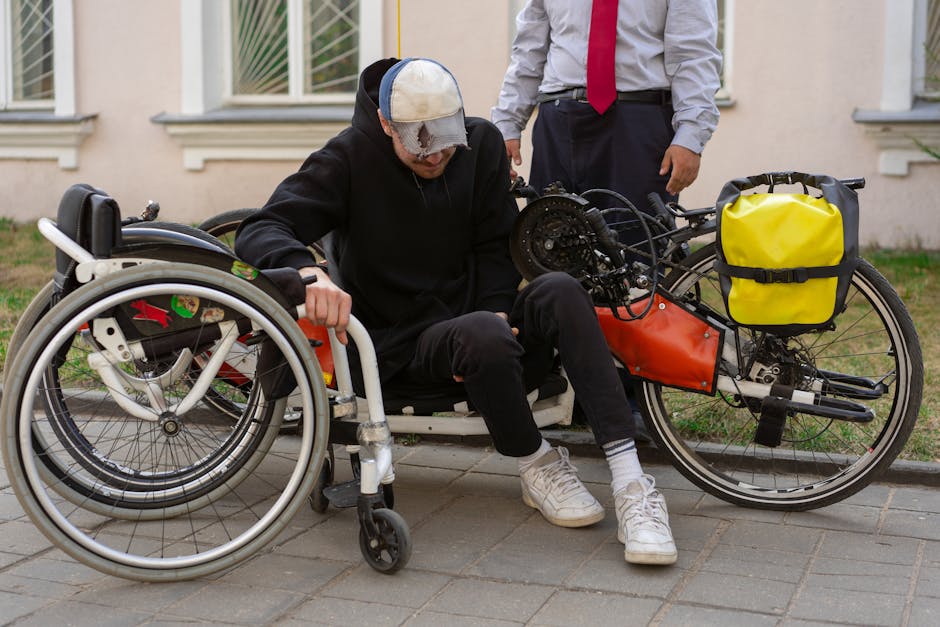
Urban cycling is gaining momentum globally as cities strive for greener, healthier living. Yet, cycling in urban areas poses unique challenges that call for creative solutions to make biking safer and more accessible.
Dedicated Bike Lanes: Enhancing Safety
To begin with, the establishment of dedicated bike lanes serves as a crucial solution. These lanes provide cyclists with their own space, reducing the likelihood of accidents and making streets safer for everyone.
Bike-Sharing Programs: Increasing Accessibility
Furthermore, bike-sharing programs have emerged as a popular solution, offering convenient accessibility. By providing affordable rental bikes throughout the city, these programs encourage more people to choose cycling over driving.
Cycling Infrastructure: Building Convenience
Improving urban cycling infrastructure, such as installing bike racks and repair stations, enhances convenience for cyclists. Infrastructure investments support a seamless riding experience by addressing the practical needs of cyclists.
Smart Traffic Systems: Easing Commutes
Incorporating smart traffic systems that prioritize cyclists at intersections can significantly improve urban cycling. These systems reduce waiting times and make commutes quicker, aligning with the dynamic lifestyles of city dwellers.
Community Initiatives: Fostering a Cycling Culture
Finally, community-driven initiatives can foster a robust cycling culture. Educational programs and community rides raise awareness, promote safety, and encourage more residents to embrace cycling as a daily mode of transportation.
In conclusion, adopting these urban cycling solutions not only enhances individual health but also contributes to environmental sustainability. As cities continue to evolve, innovative cycling strategies will be vital for creating greener, more livable urban environments.