Urban cycling has grown immensely popular, offering an eco-friendly, health-enhancing alternative to car travel. However, to truly integrate cycling into city infrastructure, solutions need to be designed and implemented with care.
Dedicated Bike Lanes
Establishing dedicated bike lanes on busy urban roads can significantly reduce accidents and encourage more people to cycle. These lanes create a safe space for cyclists, enhancing the overall commuting experience.
Secure Bike Parking
The availability of secure bike parking facilities is essential to mitigate theft and vandalism. Cyclists are more likely to ride to urban centers if they can safely leave their bikes.
Public Bike-Share Programs
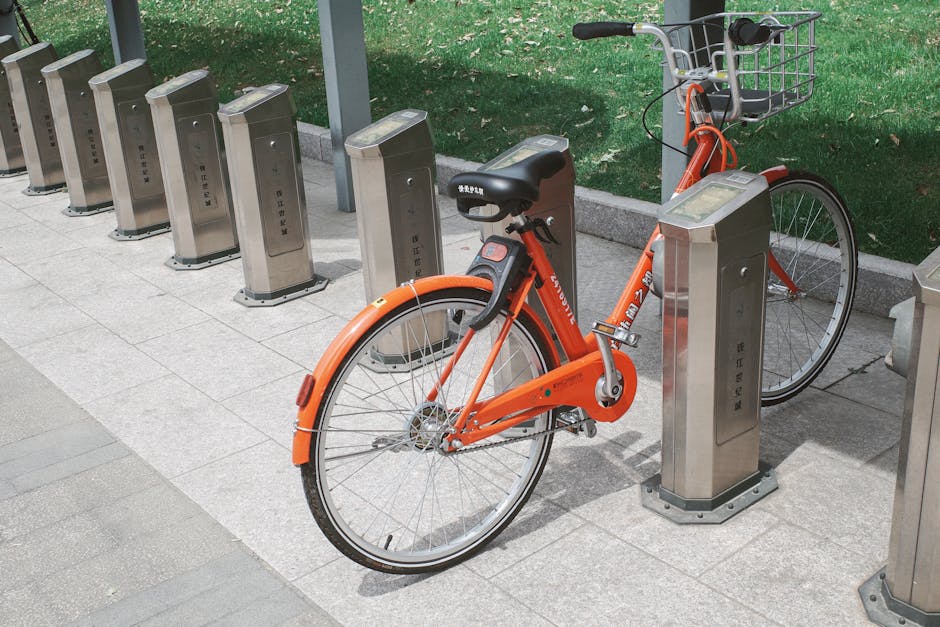
Public bike-share programs offer an accessible option for people who don’t own a bike. These programs promote cycling without the financial commitment, supporting a diverse range of users.
Improved Traffic Signals
Integrating bike-friendly traffic signals and signs can streamline the flow of cyclists alongside vehicular traffic. This minimizes confusion and improves safety for all road users.
Cycling Awareness Campaigns
Raising awareness about the benefits of urban cycling through campaigns and programs helps foster a cycling-friendly culture. Educating both cyclists and motorists can reduce accidents and enhance mutual respect on roads.
Conclusion: Embracing Cycling for a Sustainable Future
Urban cycling solutions are pivotal in shaping sustainable urban mobility. By investing in infrastructure, education, and community initiatives, cities can transform into cycling havens, prioritizing public health and environmental well-being.