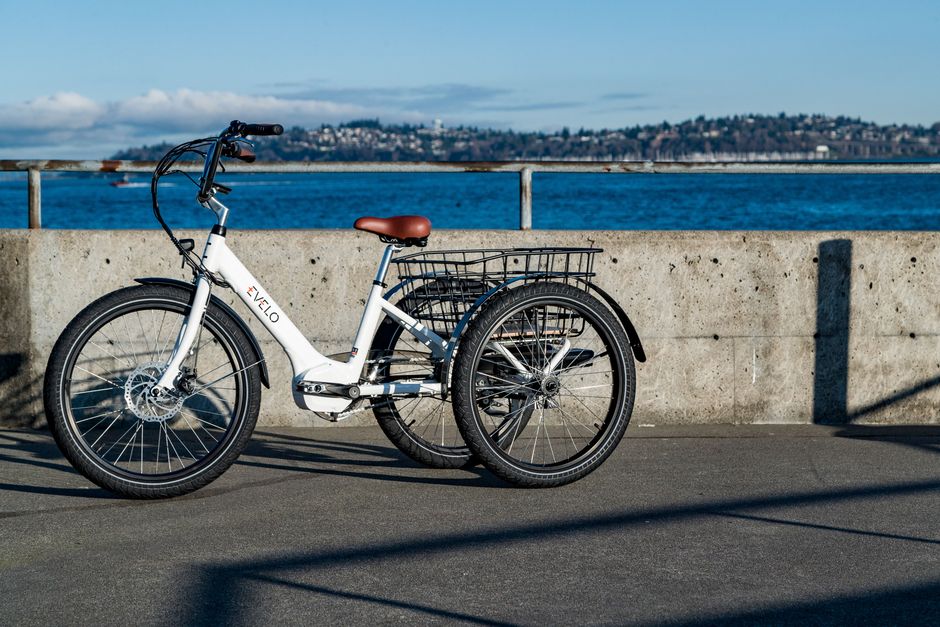
Electric cargo trikes are quickly becoming a cornerstone of urban transportation solutions. Offering a blend of efficiency, sustainability, and versatility, these vehicles are transforming city logistics.
Eco-Friendly Mobility
One of the most significant benefits of electric cargo trikes is their environmental impact. With zero emissions, they provide a green alternative to fossil-fueled delivery vehicles, helping reduce urban air pollution.
Cost-Effective Deliveries
Businesses are discovering the cost savings associated with electric cargo trikes. Lower operating costs, reduced fuel expenses, and minimal maintenance requirements make them an economical choice.
Improved Maneuverability
Designed for crowded urban environments, electric cargo trikes navigate narrow streets and congested areas effortlessly. Their compact size enhances mobility and accessibility in dense cityscapes.
Versatile Applications
From food delivery services to parcel logistics, these trikes offer versatile solutions. They can be customized with various cargo compartment sizes, catering to different business needs.
Reduced Traffic Congestion
With their smaller footprint, electric cargo trikes help alleviate traffic congestion. By replacing larger delivery vehicles, they contribute to smoother traffic flow and less road wear.
Enhanced Urban Efficiency
As cities aim for more sustainable operations, electric cargo trikes play a crucial role. They enable efficient last-mile delivery, ensuring goods reach their destinations quicker and more reliably.
Future of Sustainable Cities
Electric cargo trikes are poised to become a staple of smart urban design. As cities evolve, these innovative vehicles are integral to creating sustainable and livable urban environments.
In conclusion, electric cargo trikes are not just a trend but a transformative change in urban transportation, offering a cleaner, more cost-effective, and practical alternative for city infrastructure.