Cities a
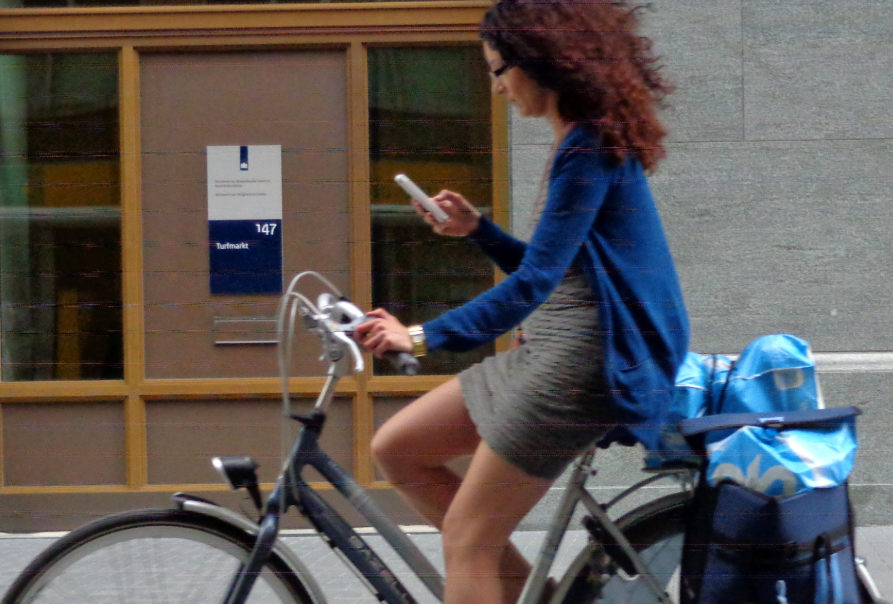
re changing fast. Traffic congestion rising fuel prices and environmental pressure are forcing people to rethink how they move every day. In the middle of this shift utility bikes are quietly becoming the most practical solution for urban transportation.
Unlike racing bikes or lifestyle focused cycling trends utility bikes are designed for real daily use. They carry loads handle rough streets and survive everyday abuse. This practicality is exactly why they are gaining popularity among commuters families and city dwellers.
What Makes a Bike a Utility Bike
A utility bike is defined by function not speed. It prioritizes comfort durability and carrying capacity over performance metrics. Upright riding positions sturdy frames racks fenders and wide tires are common features.
These bikes are built to replace short car trips. Grocery runs work commutes school drop offs and errands become simpler without relying on fuel parking or traffic delays.
The design philosophy focuses on reliability. A utility bike should work in rain traffic and imperfect road conditions without constant tuning.
Why Cities Favor Utility Cycling
Urban environments reward efficiency. Utility bikes excel where cars struggle. They move through dense traffic park easily and cost very little to operate.
Many cities are also investing in cycling infrastructure bike lanes traffic calming and mixed use streets. Utility bikes benefit directly from these improvements making them more viable each year.
From a policy perspective utility cycling reduces emissions noise and road wear. That makes it attractive for long term urban planning.
Cost Efficiency and Long Term Value
Owning a utility bike is significantly cheaper than owning a car. Purchase price maintenance insurance and energy costs are all lower.
Even compared to public transport utility bikes offer flexibility. There are no schedules no delays and no recurring ticket costs.
Over time the savings add up. Many urban riders report that their bike pays for itself within the first year.
Utility Bikes for Everyday Life
Utility bikes are not just for commuting. They support daily routines. Parents use them for school runs. Small business owners use them for deliveries. Professionals use them to commute in regular clothing.
Modern designs integrate cargo solutions child seats and electric assistance. This expands usability without sacrificing simplicity.
Electric utility bikes especially bridge distance and terrain barriers making cycling accessible to more people.
The Cultural Shift Toward Practical Mobility
Utility bikes represent a mindset shift. Instead of optimizing for speed or status they optimize for usefulness.
This shift aligns with growing interest in sustainability minimalism and intentional living. People want tools that serve real needs not just image.
As cities continue to evolve utility bikes are becoming a symbol of smart urban adaptation.
Closing Thoughts
Utility bikes are not a trend. They are a response to real urban problems.
As transportation costs rise and cities densify practical cycling solutions will only become more relevant. For many people the utility bike is no longer an alternative. It is the default.